
Learn when coronary angiography is needed, its warning signs, benefits, procedure and risks. Understand how it helps diagnose heart artery blockages.Coronary Angiography, Heart Blockage Test, Angiography Procedure, Coronary Artery Disease, Cardiac Catheterization, Cath Lab in Kolkata.
When Do You Need a Coronary Angiography?
5 Warning Signs You Should Know
Chest pain, breathlessness or unusual fatigue can sometimes indicate an underlying heart problem. In certain cases, doctors recommend Coronary Angiography to check whether the arteries supplying blood to the heart are narrowed or blocked.
Understanding the warning signs can help you seek medical attention at the right time.
What Is Coronary Angiography?
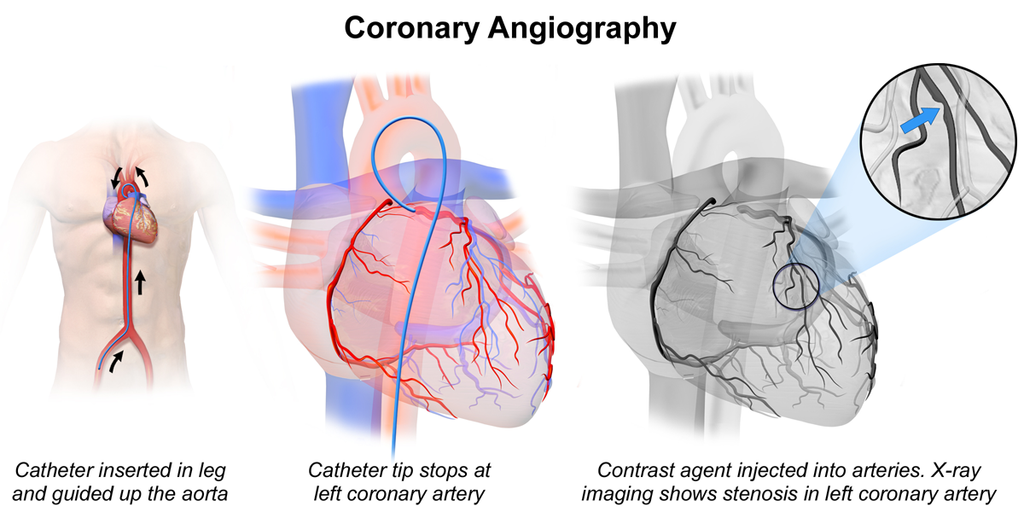
Coronary Angiography is a diagnostic procedure used to examine the blood vessels supplying the heart. A thin tube called a catheter is inserted through an artery in the wrist or groin. A special contrast dye and X-ray imaging help doctors identify possible blockages.
5 Signs You May Need Coronary Angiography
A cardiologist may recommend this test depending on your symptoms and medical reports.
1. Persistent Chest Pain: Repeated chest pressure, tightness or discomfort may indicate reduced blood flow to the heart.
2. Shortness of Breath: Unexplained breathlessness during everyday activities may sometimes be associated with heart disease.
3. Abnormal ECG or Stress Test: Certain abnormal cardiac test results may require further investigation.
4. Suspected Heart Attack: Emergency angiography may help identify blocked arteries and determine whether immediate treatment is needed.
5. Previous Heart Blockage: Patients with known coronary artery disease who develop new or worsening symptoms may require further evaluation.
Remember: These symptoms do not automatically mean you need angiography. The decision must be made by a qualified cardiologist.
What Happens If a Blockage Is Found?
If angiography reveals a significant blockage, the doctor may recommend:
- Medication and lifestyle modifications.
- Coronary Angioplasty with stent placement.
- Coronary Artery Bypass Surgery (CABG).
Treatment depends on the severity and location of the blockage and the patient’s overall health.
Is Coronary Angiography Safe?
It is a commonly performed cardiac procedure. However, possible risks include minor bleeding, bruising, allergic reactions to contrast dye and, rarely, more serious complications. Your doctor will assess the benefits and risks before recommending it.
Why Is a Cath Lab Important?
A Cardiac Catheterization Laboratory (Cath Lab) is a specialised facility used for diagnosing and treating certain heart conditions. It plays an important role in procedures such as Coronary Angiography and Coronary Angioplasty.
Frequently Asked Questions
Is angiography painful? It is generally performed under local anaesthesia, so significant pain is not usually expected.
How long does angiography take? The duration varies, but a diagnostic procedure commonly takes around 15–30 minutes.
Does every blockage require angioplasty? No. Some blockages can be managed with medication, while others may require an intervention.
Protect Your Heart with Timely Medical Attention
Do not ignore persistent chest discomfort or unexplained breathing difficulties. Early medical evaluation can help identify potential heart problems and guide appropriate treatment.
For information about cardiac evaluation and Cath Lab services, contact HHP Hospital, Kolkata.

Address: 2406, Garia Main Road, Hindusthan More, Kolkata, West Bengal – 700084.
Contact: +91 33 2435 9997 / +91 9035578290.
Emergency & Trauma Care: Open 24 Hours.
Medical Disclaimer: This article is for educational purposes only and does not replace professional medical advice.